Welcome to the Winson Pneumatic & Hydraulic Struts official website!
 Tel:+86 13780014913
  E-mail:[email protected]



It Makes Your RV Journey Perfect: The Essential Role of Hydraulic Dampers Explained in Detail
Author:Winson Gas Spring & Hydraulic Damper
Click:
Time:2026-02-03 14:46:07
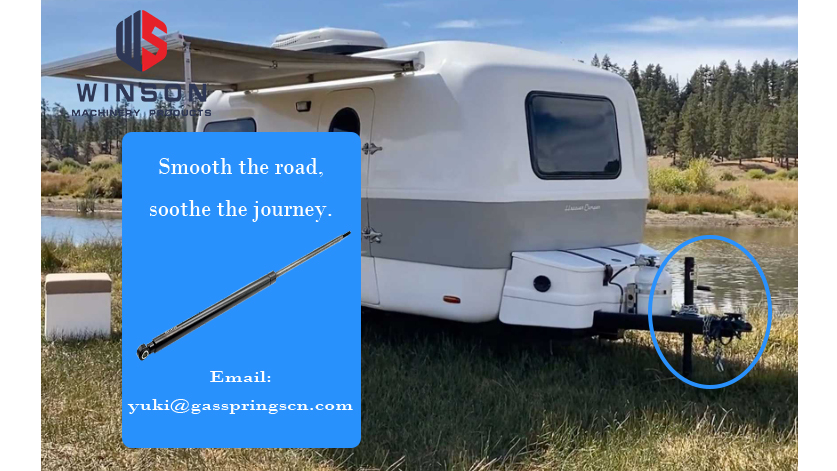
When you're on the road with your travel trailer, every bump, every turn, and every brake application affects not just your driving experience but also your travel safety and comfort. Today, let's take an in-depth look at a frequently overlooked yet crucial component—the Hydraulic Damper—and see how it enhances your travel trailer's performance.
What is a Hydraulic Damper?
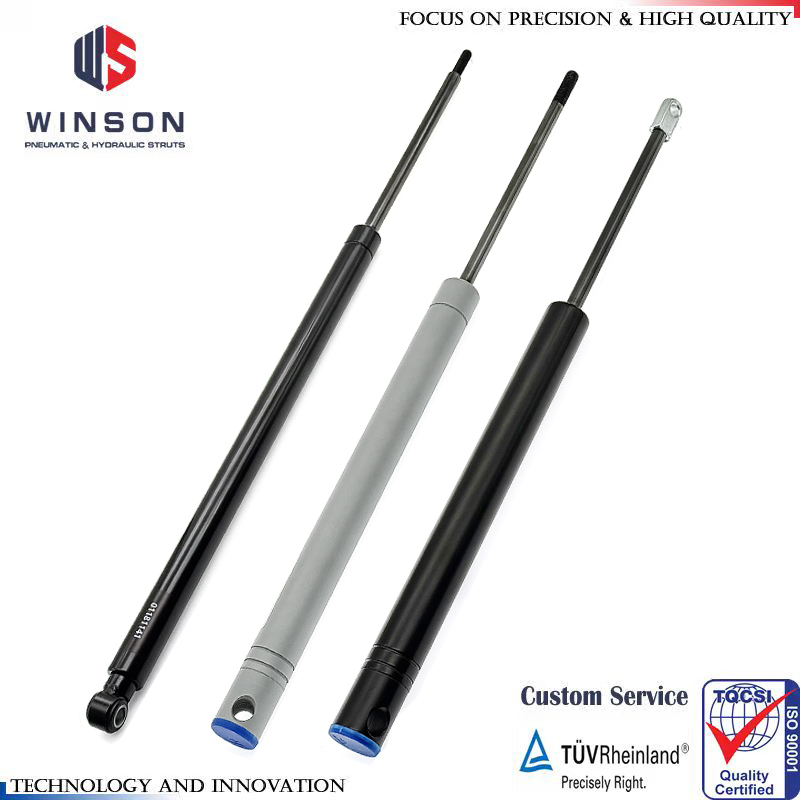
A hydraulic damper is a device that absorbs and dissipates energy by forcing fluid (typically hydraulic oil) through precisely calibrated valves under pressure.
In travel trailers, it usually comes in these forms:
- Suspension Dampers: Installed in the wheel suspension system
- Anti-Sway Dampers: Specifically designed to control trailer lateral movement
- Coupling Dampers: Improve force transfer between the tow vehicle and trailer
Four Core Functions of Hydraulic Dampers
1. Stability Control: Say Goodbye to 'Sway Scares'
When large vehicles pass by or during crosswinds, travel trailers are prone to lateral sway
Hydraulic dampers quickly generate counter-resistance, suppressing sway at its early stage
This stabilizing effect is particularly important at highway speeds, preventing dangerous 'fishtailing'
2. Vibration Absorption: Turning Bumpy Roads into Smooth Rides
Precision valve systems inside dampers automatically adjust resistance based on impact intensity
Gentle filtering of small vibrations, strong buffering of major impacts
Test data shows quality dampers can reduce vibration transmission to the cabin by over 60%
3. Braking Assistance: Smoother Stops
Effectively absorbs the trailer's forward momentum during braking
Prevents the 'jackknife effect' where the trailer pushes against the tow vehicle
Provides continuous resistance on downhill sections, reducing brake system burden
4. Connection Protection: Extending Equipment Lifespan
Reduces harsh impacts between metal components
Protects trailer chassis, suspension system, and coupling devices
Decreases long-term wear and failure rates
Selection Guide: How to Choose the Right Damper for Your Travel Trailer
- Matching Considerations:
Trailer weight and dimensions
Typical road conditions
Climate environment (temperature affects hydraulic fluid performance)
Installation space and limitations
- Quality Identification Points:
Check seal quality (prevents oil leakage)
Understand valve technology (determines response precision)
Confirm temperature adaptability ratings
Consider adjustable dampers (adapt to different loads)
Installation and Maintenance Recommendations
- Professional Installation Matters:
Ensure correct installation angle (generally within 30 degrees of vertical)
Fasten connectors with specified torque values
Conduct sway tests after installation
- Regular Maintenance Checks:
Monthly inspection for oil stains (signs of leakage)
Regular cleaning of piston rod surfaces
Performance check every 2 years or 20,000 miles
Watch for unusual noises or performance degradation

Real Case: The Difference Dampers Make
An avid off-road trailer traveler reported: 'After installing high-quality hydraulic dampers, cabin vibration on gravel roads decreased by about 70%. My family can now rest comfortably while moving, and dishes no longer rattle. More importantly, trailer stability significantly improved in strong crosswinds, greatly reducing driving stress.'
Conclusion
Though small in size, hydraulic dampers act as the 'silent guardians' of your travel trailer's safety and comfort system. Through precise hydraulic control technology, they transform annoying bumps into smooth rides and neutralize potential dangers. Whether you're planning your first trailer trip or looking to upgrade your current setup, investing in a proper hydraulic damping system will deliver exceptional returns—a safer, more comfortable, and more perfect road trip experience.
You are under no obligation to purchase, but I am always here to assist. Please feel free to reach out if you have any questions. Click one of the option below.
E-Mail & Wechat Whatsapp: +86 13819751436
#Hydraulicdamper #Damper #Oildamper #Couplingdamper #Trailerdamper #Traveltrailer #Rvdamper #Rvtrailer
Top

Winson is a Chinese Gas Spring & Hydraulic Damper manufacturer specializing in custom compression, lockable, tension types and stainless steel gas springs & oil dampers for a variety of applications of automotive and vehicle, furniture, machineries, medical & fitness equipments.
Contact Us
Tel/WhatsApp:+86 0137-80014913
Email: [email protected]
Address:(14-16),No.26,Building 4,Oriental Business Center, Yinzhou, Ningbo, Zhejiang, China 315100
Copy Right @ Winson Pneumatic & Hydraulic Struts All Rights Reserved
Custom Gas Spring & Hydraulic Damper For Global Clients | Phone / WhatsApp:+86 13780014913 | Copy Right @ Winson Pneumatic & Hydraulic Struts, All Rights Reserved.
 QQ
QQ WhatsAPP
 E-mail